How a Front-End Web Designer Brings a Website to Life (Non-Technical Overview)
How a Front-End Web Designer Brings a Website to Life
A front-end web designer is a code-savvy creator with an eye for structure and a mind wired for interactivity. Their focus is on helping businesses present their message clearly, professionally, and attractively so visitors immediately understand who they are and what they offer. Beyond making things visually appealing, a front-end designer shapes the entire user experience—how the website feels, functions, and represents the brand online.
The design process starts long before any code is written. The designer begins by understanding the client’s goals, audience, and message. What should the website accomplish? Who is expected to visit? What action should visitors take? These questions guide every decision, ensuring the website becomes a tool that supports the business rather than just a digital brochure.
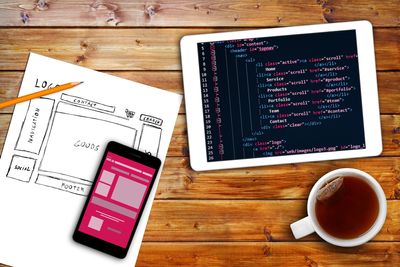
Next comes visual planning. This includes choosing the overall style, tone, color palette, and layout. The designer creates sketches or mockups that show where content will go and how pages will flow. This stage ensures the look and feel align with the client’s brand voice. Even small details—like white space or headline size—impact how quickly a visitor trusts and connects with the business.
Once the design is approved, the building phase begins. This is where visual ideas turn into a working webpage using HTML, CSS, and JavaScript. The designer structures content, styles the layout, and adds interactive elements like menus, buttons, or animations. The goal is to make the site not only attractive but also fast, accessible, and easy to use on any device.
After the structure is built, the designer focuses on user experience—improving loading speed, ensuring readable text, testing navigation, checking mobile responsiveness, and polishing details that make the website feel smooth and professional. A good site guides visitors naturally without overwhelming them.
The final step is implementation: launching the site and ensuring everything works correctly in the real world. This may involve connecting contact forms, integrating email or marketing tools, organizing blog posts, and adding SEO basics so search engines understand the content. Designers also provide guidance on maintaining or updating the site over time.
In the end, a front-end designer delivers more than a finished webpage—they create a strong online identity that reflects the client’s goals, communicates their strengths, and helps them stand out in a competitive digital world.
5 Useful Non-Technical Insights for Clients
- Clear Goals Make Better Websites Clients don’t need technical knowledge—just clarity about what they want their website to achieve.
- Branding Consistency Matters Colors, tone, and imagery create trust and help shape a strong design direction.
- Good Content Makes Great Design Quality text and visuals greatly improve a designer’s ability to build a polished site.
- Mobile Experience Is Essential Most visitors browse on phones, so mobile usability directly affects conversions and trust.
- Communication & Feedback Improve the Final Product Clients don’t need to understand code—they just need to share clear feedback and business insights.